
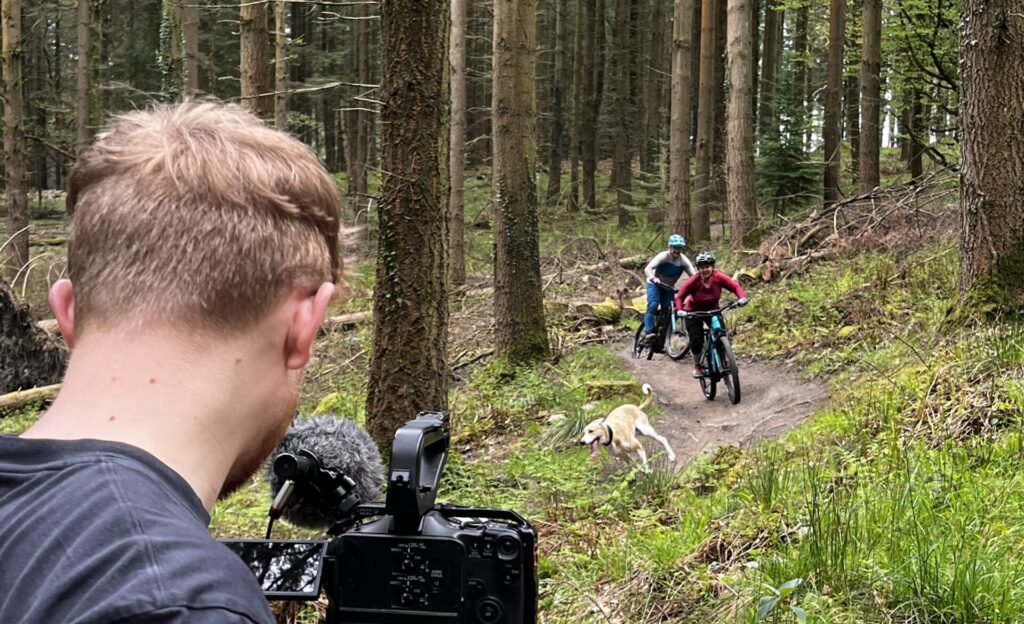
If you’re investing time in a shoot, make it work harder.
This step-by-step guide shows you how to plan a photo and video shoot for your tourism business—whether you’re a visitor attraction, destination or experience provider using a professional team or just your phone.
With the right planning, one well-organised session can give you months of content—photos, video, Reels, website assets and more.
But here’s the bit that often gets missed.
People don’t just choose experiences based on what’s included. They also choose based on how it’s going to feel.
That’s why your content matters. It’s not just about showing what’s there—it’s about helping people picture themselves in the moment.
In this guide, you’ll learn how to:
- Plan a combined photo and video shoot
- Capture content for social, web and marketing
- Use both professional and smartphone footage effectively
1. Start with one clear goal
Before you think about cameras or kit, get clear on what you actually need.
Are you:
- Promoting a seasonal event?
- Refreshing your website imagery?
- Building a bank of social content for the next few months?
Your goal shapes everything—from your shot list to your timings. It also stops you trying to capture everything in one day (which rarely works).
Choose one primary goal, then capture supporting content alongside it.
2. Plan once, shoot twice (photo + video)
Photos and video shouldn’t sit in separate plans. Capture both at the same time.
Think in moments, not formats—and focus on the feeling behind each one.
- A family arriving → photo + short video clip
- Coffee being served → hero image + slow-motion pour
- Guests exploring → wide shot + candid Reel
This gives you:
- Website-ready imagery
- Social-first video content
- Flexible assets you can reuse across campaigns
It also saves time, budget and disruption on site.
3. Build a practical shoot list
A detailed shoot list keeps your day on track and avoids missed opportunities.
Break it into:
- Must-haves: key locations, experiences, hero shots
- Nice-to-haves: seasonal details and alternative angles
- B-roll: hands, signage, food, textures, atmosphere
For video, plan for:
- Short clips (5–15 seconds for social media)
- A few longer sequences for edits
- Natural sound where possible
Think about format too:
- Portrait for Reels and Stories
- Landscape for website and YouTube
4. Decide your setup: professional, phone—or both
There’s no single “right” approach—only what works best for your tourism business.
Professional shoot
- Ideal for hero content and key campaigns
- Delivers consistency and high-quality visuals
Smartphone content
- Perfect for behind-the-scenes and social media
- Often feels more natural and engaging
Hybrid approach
- Capture core content professionally
- Supplement with phone content alongside
If you’re using a phone:
- Use natural light
- Keep it steady
- Clean the lens
- Record more than you think you need
This doesn’t need a big production—just a bit more intention in what you capture.
5. Brief your people properly
Whether you’re working with staff, volunteers, friends, family or real guests—people make the content.
You’re not just directing people—you’re helping create moments that feel real and relatable.
Be clear on:
- What they’re doing
- What to wear
- The tone (natural and relaxed)
Give prompts, not scripts. You want genuine interactions, not staged moments.
And don’t forget:
- Written consent
- Parental permission for children
- Clarity on how content will be used
6. Make the most of influencers and real guests
If you’re hosting influencers or content creators, there’s an opportunity to collaborate—lightly and respectfully.
You might:
- Invite them to capture a few moments with you
- Share ideas, while keeping things flexible
- Tag and credit their content
In some cases, they may be happy to share selected content afterwards.
The key:
- Keep expectations low-pressure
- Respect their time and creative approach
- Focus on mutual value
Done well, this adds a valuable layer of authentic content.
7. Lock in logistics (and a backup plan)
The practical details matter.
Plan around:
- Light and weather
- Busy vs quiet periods
- Access and timings
- Noise levels
Always have a Plan B—especially for outdoor shoots.
8. On the day: stay focused, but flexible
A good shoot has structure—but also space for real moments.
On the day:
- Start with a walkthrough
- Prioritise key shots early
- Watch backgrounds and details
- Capture more than you think you need
Also:
- Look for natural interactions (bags dropped, kids running ahead, that first sip of coffee)
- Follow the energy
- Adapt where needed
Unplanned moments are often the most valuable.
9. Think beyond the shoot
The shoot is just the start.
Plan how content will be used:
- Website
- Social media and Reels
- Email campaigns
- PR and press
Create:
- Multiple versions (short and long)
- Cropped formats
- Space for text overlays
This ensures your content works across every channel—and captures both what you offer and how it feels to experience it.
10. After the shoot: maximise your content
Once your content is ready:
- Back everything up
- Organise files properly
- Start using content quickly
Then:
- Break videos into shorter clips
- Turn one shoot into weeks of content
- Build a simple content library
One shoot should support your marketing for months—not days.
Final thought
You don’t need a big production to create strong tourism marketing content.
Clear planning gets you the content.
But it’s the moments you capture—the ones that feel real—that turn that content into bookings.
Need a hand getting started?
If you want to keep things simple, your phone is often more than enough to capture natural, engaging content alongside your main shoot.
And if you’d rather bring in extra support—whether that’s capturing relaxed, behind-the-scenes moments or working with experienced photographers, videographers or drone specialists—we can help you find the right approach for your business.
FAQs: planning a photo and video shoot for your tourism business
Can I use my phone for a marketing shoot?
Yes. Modern smartphones can capture high-quality content, especially in good natural light. They’re ideal for social media and behind-the-scenes footage.
Do I need a professional photographer or videographer?
Not always. Many businesses use a mix of professional and smartphone content. Professionals are useful for hero images and key campaigns.
How long should a photo and video shoot take?
Most shoots take half a day to a full day, depending on the number of locations, people and scenes involved.
What content should I prioritise?
Focus on versatile content you can reuse—hero images, short video clips, and authentic moments that show your experience clearly.
How much content should I capture?
More than you think you need. It’s easier to edit down than to reshoot.